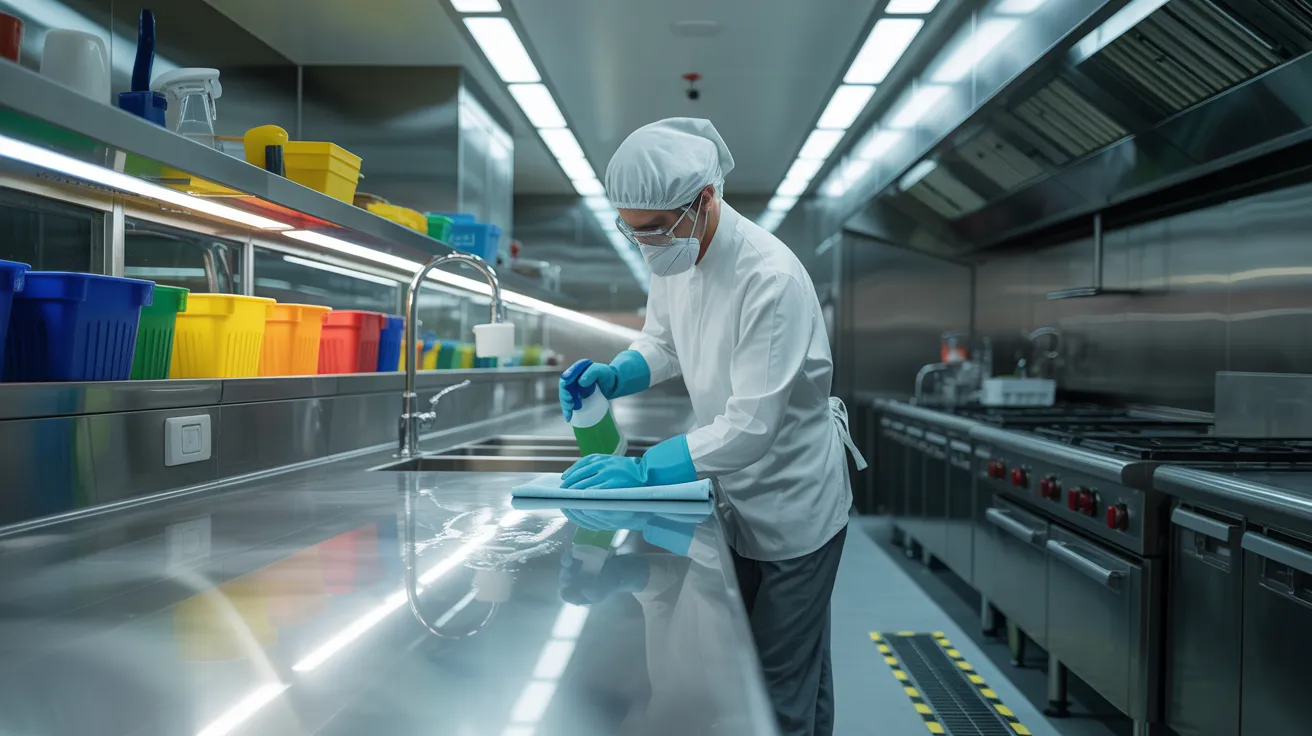
Brampton food safety and commercial cleaning experts help you keep dining establishments, commissaries, baking facilities, warehouses, and food service vehicles sanitized to standards. They disinfect high-touch points, food-contact surfaces, equipment, floors, drains, restrooms, and prep zones using certified sanitizers, proper concentration, and documented contact times. in maintaining restaurants, food supply centers, baking operations, warehouses, and mobile food operations in compliance. They disinfect frequently touched areas, food-contact surfaces, equipment, floors, drains, restrooms, and prep areas using certified sanitizers, proper dilution, and documented exposure durations.
Essential Summary
- Food safety cleaning specialists from Brampton support restaurants, grocery departments, commissaries, warehouses, bakeries, schools, mobile vendors, and allergen-sensitive operations.
- They disinfect high-touch surfaces, food-contact equipment, kitchens, floors, drains, restrooms, and storage areas using compartmentalized approaches to reduce cross-contamination.
- Qualified specialists verify proper chemical concentration, suitability, and exposure duration, then document conclusion with samples, assessments, and remedial documentation.
- Effective cleaning plans take into account threat, production rate, changeovers, releases, and guidelines when distributing regular, periodic, and annual tasks by section.
- Emphasize suppliers displaying hazard analysis knowledge, sanitation knowledge, safety training instruction, liability, credentials, coded equipment, and assessment-ready maintenance documentation.
What Brampton Facilities Require Food Safety Cleaning?
Brampton operations that handle, store, prepare, package, or serve food require food safety cleaning. Implement it if your business is covered by public health inspections, food codes, or HACCP requirements. The requirement covers restaurants, cafeterias, commissaries, grocery food departments, butcher shops, seafood counters, convenience stores, and institutional kitchens.
You also need compliant food safety cleaning in warehouses, food manufacturing plants, cold storage sites, retail bakeries, school nutrition programs, banquet halls, and meal delivery hubs. Temporary and mobile establishments count too, including catering vehicles, market vendors, and seasonal stalls. If your staff work with raw supplies, divide prepared foods, warm dishes, or organize allergen inventory, your facility needs established sanitation documentation. In Brampton, food safety isn't elective; it's part of regulatory, business, and safety compliance.
What Do Brampton Cleaning Experts Clean?
Professional cleaning teams specializing in Brampton sanitize touched surfaces, food preparation areas, floors, and restrooms in compliance with food safety regulations. Focus on these locations stems from extreme cross-contamination risk, potential for accidents, and possible regulatory violations.
Knowing their service areas enables you to validate your facility's cleaning meets required standards and regulations.
Key High-Touch Surface Cleaning
structure sterilization intervals according to foot traffic, environmental hazards, and business activities.
verify that disinfection has proper
Kitchen Areas, Floor Surfaces, and Bathroom Spaces
Expect Brampton cleaning experts to target kitchens, floors, and restrooms because each area carries unique foodborne illness prevention, slip-and-fall, and public health risks. In industrial kitchens, you need degreasing on cook lines, equipment exteriors, drains, prep surfaces, and splash zones to minimize bacterial growth and pest activity.
Documented floor care is likewise provided as part of the service.
Restroom cleaning involves sanitizing surfaces, fittings, separators, dispensers, and containers, replenishing amenities and managing odor. They also maintain restaurant cleaning supply rooms where product storage, sink cleanliness, and drain systems impact daily sanitation standards and worker protection.
Food Safety Cleaning Significance for Brampton Businesses
Brampton facilities demand food-safe cleaning standards to meet health code requirements and pass audits. You also reduce cross-contamination by cleaning and sanitizing food-contact surfaces, equipment, and high-touch areas correctly. Most importantly, you help protect public health by lowering the risk of foodborne illness in your facility.
Sanitary Standards Adherence
Because Brampton food companies operate under mandatory safety protocols, food safety cleaning directly affects your capacity to satisfy health code requirements, ensure the safety of customers, and view resource prevent enforcement action. You must maintain sanitary food-contact surfaces, documented cleaning schedules, correct sanitizer application, and traceable training practices that meet municipal and provincial inspection expectations.
Good hygiene practices enables cross-contamination prevention by limiting buildup on mutual appliances and frequently touched surfaces.
Cross-Contamination Management
Meeting health code standards also depends on your ability to prevent cross-contamination during daily food handling and cleaning. You must keep raw items away from prepared dishes, sanitize prep surfaces between tasks, and keep cleaning products separate from food areas. Clear procedures reduce transfer risks and support consistent compliance during inspections.
Building allergen isolation prevents priority allergens from contacting common workstations, storage, or apparatus. Utilize dedicated cutting boards, color-coded tools, and strict utensil labeling so team members won't blend products during preparation or service.Enforce handwashing after handling uncooked meats, shellfish, egg items, or allergen substances. Swap wiping cloths regularly, and confirm disinfectant efficacy using test strips. When you train staff to follow these controls every shift, you foster a cleaner, more secure operation that meets Brampton's food safety expectations daily.
Public Health Protection
When sanitation efforts weaken, you don't only face inspection setbacks—you expand the chance of food contamination affecting customers, staff, and the larger Brampton community. You also weaken your role in safeguarding community wellness, especially in busy food facilities where pathogens travel quickly through surfaces, equipment, and touchpoints.
You need sanitation procedures that eliminate contaminants, sanitize correctly, and verify results. That means following exposure periods, employing authorized sanitizers, recording cleaning times, and educating employees to meet health-unit expectations. These measures facilitate pathogen reduction by lowering microbial loads before they contaminate surfaces or food. In Brampton, strong sanitation shields at-risk groups, prevents disease spread, and helps you demonstrate proper care. When you maintain proper standards, you exceed basic requirements—you actively reduce risk and promote secure food handling citywide.
In What Ways Does Cleaning Help Achieve Food Safety Compliance?
Adopting strict sanitation practices solidifies food safety compliance by decreasing contamination threats, managing pathogen expansion, and maintaining your facility's adherence to sanitation requirements under HACCP-based programs and public health regulations. You verify that product-contact areas remain visibly clean and microbiologically controlled, supporting documented preventive controls and inspection readiness.
Conscientious cleaning moreover strengthens allergen prevention by extracting residues that can cause undeclared allergen exposure. When you combine approved sanitation protocols with regulatory training, your staff can execute established protocols, use approved chemicals correctly, update records properly, and respond to variations ahead of problems worsen. Consistent cleaning supports product tracking, validates corrective actions, and exhibits commitment in audits. Furthermore, it aids you preserve product quality, sustain operational adherence, and lower the risk of regulatory actions, product recalls, grievances, and avoidable health dangers.
When Should You Plan Commercial Cleaning?
gather pollutants. Increase frequency
Deep seasonal cleaning works best during shutdowns, weather-related soil buildup, or pest-pressure periods
How Do You Choose Brampton Cleaning Experts?
Evaluate providers first by sanitation compliance standards rather than price alone. You must ensure each provider understands CFIA, public health, and HACCP requirements for your business. Request proof of insurance, WHMIS compliance, staff training documentation, and supervision methods. Check technician awareness of cross-contamination risks, chemical safety, and traceable sanitation records.
You should also assess operational reliability and accountability. Request references from Brampton food businesses, then examine turnaround periods, corrective-action procedures, and communication standards. Confirm the company supports supplier audits and can present audit-ready records when regulators or third parties request evidence. Check whether equipment maintenance is performed, color-coded implements are used appropriately, and facility-specific risks are recognized. A competent service protects regulatory adherence, product quality, and your brand reputation.
Which elements are contained in a Food Safety Cleaning Plan?
Develop a written plan that makes clear every sanitation task, standard, and responsibility before production begins. You should outline cleaning frequencies, approved chemicals, dilution rates, contact times, tools, and verification methods for each location, surface, and apparatus. Incorporate pre-operational inspections, corrective actions, and employee training requirements.
Your plan should also cover contamination prevention, garbage management, pest control procedures, and recorded timelines for restrooms, drains, floors, and food-contact areas. Explain how you'll separate raw and ready-to-eat processes, support ingredient tracking, and ensure accurate allergen labeling through validated cleaning between product changes. You should designate accountability, maintain signed records, and compare results against regulatory standards, HACCP controls, and customer requirements. When gaps appear, update procedures immediately and retrain staff.
Popular Inquired Inquiries
Will cleaning services manage nighttime hours at Brampton properties?
If you operate controlled facilities, you'll also need documentation that support inspections and maintain compliance.
Can sanitation professionals handle emergency spill response?
Yes, you can find many Brampton sanitation professionals who provide emergency spill response solutions. They manage hazardous materials, assess risks, isolate affected areas, and begin swift cleanup to reduce exposure and avoid operational disruption. You should verify arrival timeframes, training certifications, safety procedures, and waste management. If your facility must meet regulatory requirements, choose a provider that documents incidents, maintains regulatory procedures, and supports audit readiness.
Can eco-friendly disinfectants be applied securely on food-handling equipment?
Definitely, green disinfectants perform safely on surfaces contacting food if you select solutions certified for food use that satisfy compliance requirements. You need to verify application timing, dilution ratios, and rinsing needs ahead of deployment. Plant-derived products minimize toxic chemical contact, but you need demonstration of efficacy against relevant pathogens. To keep surfaces residue-free, stick to precise manufacturer instructions and ensure your disinfectant satisfies relevant food safety standards.
Can maintenance plans be tailored for production fluctuations?
Certainly, cleaning plans accommodate seasonal variations successfully. Adjust timing, staff levels, chemicals, and testing procedures to match with operational cycles while sustaining regulatory requirements. Limit equipment downtime via planning cleaning during equipment transitions, peak seasons, and equipment use patterns. Additionally modify written procedures, instruction programs, and facility monitoring to account temporary risks, emerging allergens, or increased soiling. Regular reviews maintain your strategy functional.
Are commercial cleaners providing employee instruction on sanitation best practices?
Absolutely, commercial cleaners frequently provide employee education on hygiene standards. Your staff gets instruction on correct chemical handling, contact times, cross-contamination prevention, machine takedown, and documentation. They generally match instruction with HACCP, GMP, and CFIA or local public health requirements. Many also perform health inspections to verify compliance, pinpoint weaknesses, and reinforce corrective actions. This enables you to sustain uniform standards, pass inspections, and reduce food safety risks consistently.
Final Thoughts
By partnering with Brampton food safety and commercial cleaning experts, you aren't just organizing—you maintain your facility compliance-focused and your practices in compliance. From kitchens to processing floors, every sanitized surface and maintained corner reduces pest risk and prevents costly issues. By arranging service at appropriate intervals and following a documented cleaning plan, you protect your team, customers, and your credibility. In a strictly regulated industry, hygienic conditions must be prioritized—they're key to business compliance.